
Vacation Rental Amenities: Where Saving Money Costs You
There’s a natural instinct, when you own a rental, to look at expenses the way you’d look at anything you’d rather not pay: as money out the door. You watch the cleaning bills, the repair costs, the platform fees. At some point a question starts running in the background — whether everything you’re spending is really necessary.
That’s not a bad instinct. Watching your costs is part of doing this well. But there’s a category of spending where that question leads somewhere counterproductive — where the savings, measured in dollars, cost you something harder to recover.
What guests take home from a stay isn’t a tally of amenities or products used. It’s a feeling — of having been somewhere where they felt cared for. Of walking in and finding that someone anticipated what they might need and made sure it was there. That feeling doesn’t announce itself. Guests don’t check in and think: the host cared about this. They just feel comfortable, or they don’t. They sleep well, or they don’t. They look around on a rainy afternoon and feel like there’s still fun to be had, or they don’t.
That feeling drives reviews. It’s what brings people back. And it’s almost entirely within the host’s control. It’s less about the space and more about the host and what they’re willing to invest in your experience.
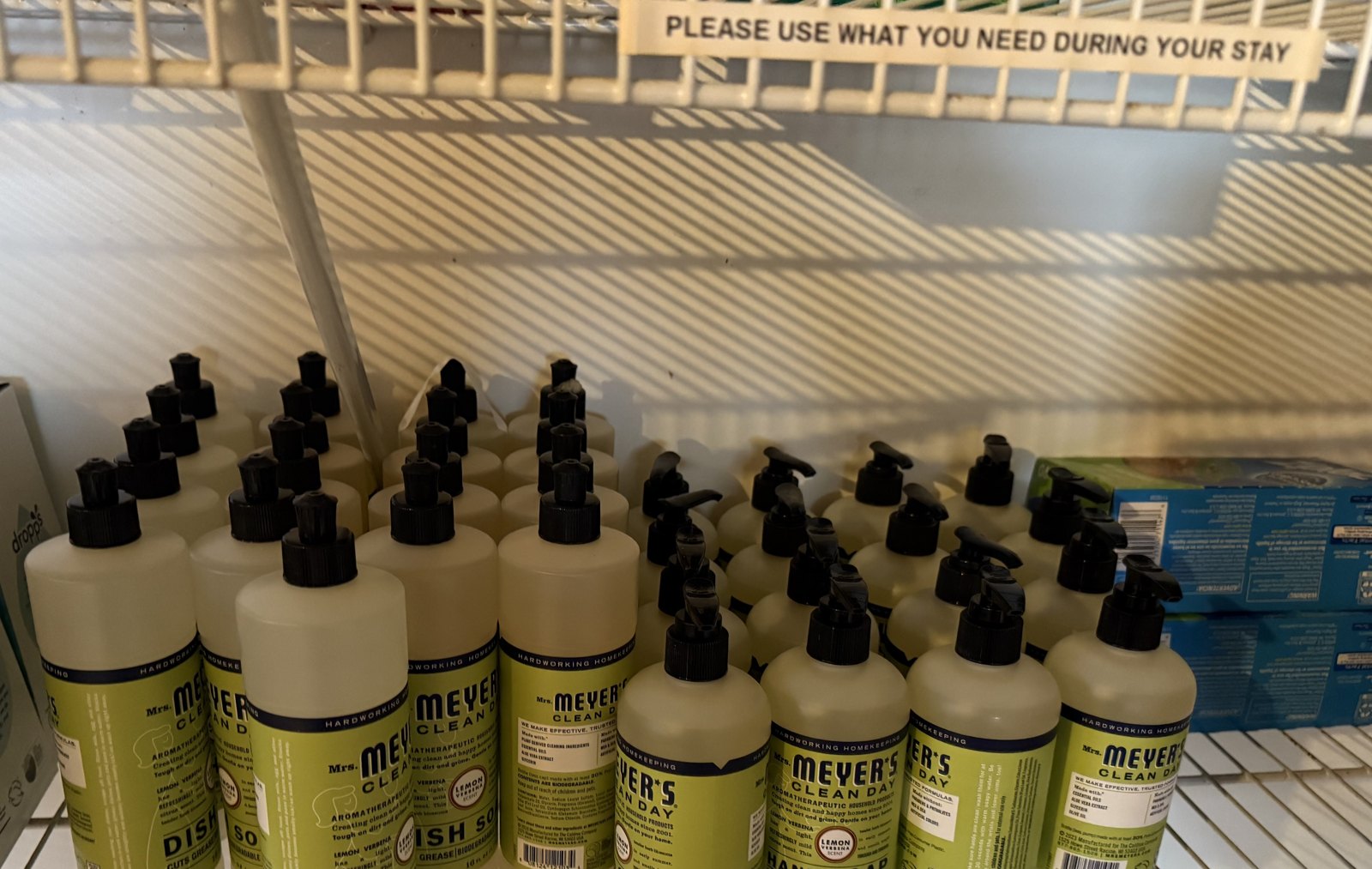
Some of what shapes it costs real money. Linens matter — the quality of a sheet is something you feel on the first night, even if you couldn’t say what you noticed. Rainy-day options matter: the books, the games, the television filled with streaming services that works without a struggle. A pantry full of staples, a full complement of cooking gear. Never having to go shopping for bathroom products. We think of these as investments in the guest relationship rather than expenses against the booking.
Some of it costs almost nothing — enough of what guests need, products that reflect values you hold anyway, a small detail that tells the person in the room someone was thinking about them. These things carry weight not because they’re impressive, but because they’re present. They were decided on in advance, by someone who was seeing the property through the guests’ eyes, imagining their experience, prioritizing that rather than their own bottom line.
The opposite of all this is tangible too, even when guests can’t name it. Every small economy — the amenity that isn’t there, the thing that required a little too much effort, the extra effort they go through on their vacation — announces itself to the person trying to relax. It doesn’t read as frugality. It reads as indifference. It may not read at all, just an inchoate feeling that it could have been better.
I think about this in terms of what we’re actually offering. Not square footage — a week of someone’s life. A vacation they planned, saved for, looked forward to. When they walk through the door, they’re trusting that the place will take care of them. That trust is built through decisions made long before they arrived: what’s on the bed, what’s in the pantry, what’s been thought through so they don’t have to think about it.
The spending that supports that trust comes back — not as a line item you can trace directly to a feeling, but it shows up thematically in the reviews that help fill the following season, in guests who return and bring their friends, in word of mouth that costs nothing extra to generate because it comes from someone who simply had a good time and said so. Those outcomes aren’t mysterious. They’re the return on a consistent set of decisions about what kind of host you want to be. We are approaching our 50th review—all five stars, many mentioning the thoughtful hosts. It’s because we didn’t cheap out on anything.
That said, we do watch our expenses carefully — it’s a core part of how we run the house and why we built Rentalist. But there’s a version of cost-watching that shades into something the guest can feel from across the room. Frugality becomes theirs to absorb. And guests who feel that tend to say so, maybe not directly but in ways that outlast whatever dollar was saved.
What you spend on their comfort is what you spend on your reputation. That’s the math we keep coming back to.
We’d love to hear what you’ve found worth spending on — and what’s made the biggest difference in how your guests respond.
Marie co-owns the Map House, a vacation rental in Wellfleet, MA. She and her husband Matt have been self-managing the property since 2019. They built Rentalist, a financial management tool for small vacation rental owners. They work on their hosting together, with Marie always taking the voice of the guest as they make their plans.
Hi, it’s Matt. One thing Marie left out. In March I took a trip with a friend to Austin TX to visit my favorite NY bar (I promise that makes sense, but story for another time.) We stayed at a nice vrbo apartment. But the tv didn’t work well, had only basic cable, and when I finally figured out how to sign in with my Netflix account I was already exasperated. Then we discovered that to save money in the hot Austin climate, the thermostat was on a timer so if we didn’t play it right the a/c went off in the middle of the night and during the day we came back to a hot apartment it took 45 minutes to cool to comfortable.
I loved Austin, but what stuck with me about the apartment was the needless pains in the neck that were absolutely because the owner was trying to save a few bucks. That’s a host I will avoid in the future (and I’ll definitely be back to Austin.)