Your Vacation Rental Needs a Plumber Before It Needs a Plumber
When you’re managing your rental from a distance and something goes wrong, you need a professional to fix it. The question isn’t “who you gonna call,” it’s who gonna call you back.
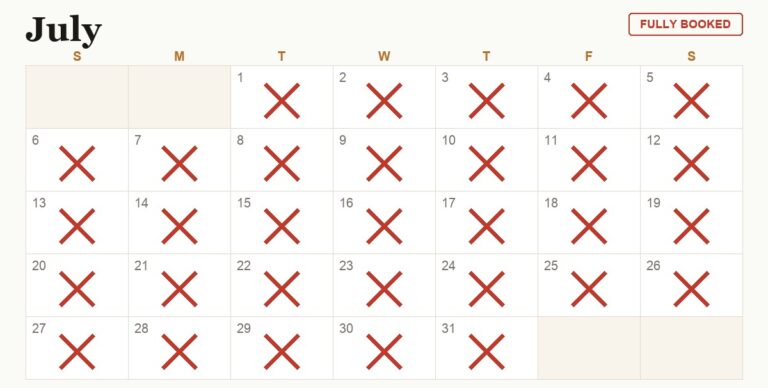
In most markets, a slow callback is the worst of it. In seasonal vacation markets during peak season, it’s often a closed door. The capable tradespeople — the ones who know the area, the houses, the water, the local quirks — aren’t slow to respond to unknowns. They’re not responding at all. My plumber’s outgoing message from roughly Memorial Day through Labor Day says: If you are not already a customer of ours, we are very sorry but we will not be able to handle your call.
So when something breaks and you don’t have that relationship, you’re not reaching the best person in the area. You’re reaching whoever has openings — the new outfit, the one with an iffy reputation, or, if you’re lucky, someone capable who had a cancellation. “If you’re lucky” is not an operations plan.
A thread on AirHosts Forum called “No hot water and guests are coming shortly!” shows what getting there without those relationships looks like. A host finds out the water heater is broken the day before check-in and drops everything to do damage control — call the platform, find alternative accommodation, negotiate refunds. Every reply in the thread is about managing the fallout. Nobody mentions how to not be in that situation.
It’s easier than it sounds
In the off-season, find a small but real piece of work and give it to the tradesperson you want to be able to call when something goes wrong.
Plumber: have them check the shutoff valves and replace any that look corroded. Electrician: panel inspection, an outlet you’ve been meaning to add, a look at the GFCI circuits. HVAC: annual maintenance — they want the work in their slow months. Septic: most systems need pumping every few years; scheduling it in the off-season means you control the timing rather than the emergency.
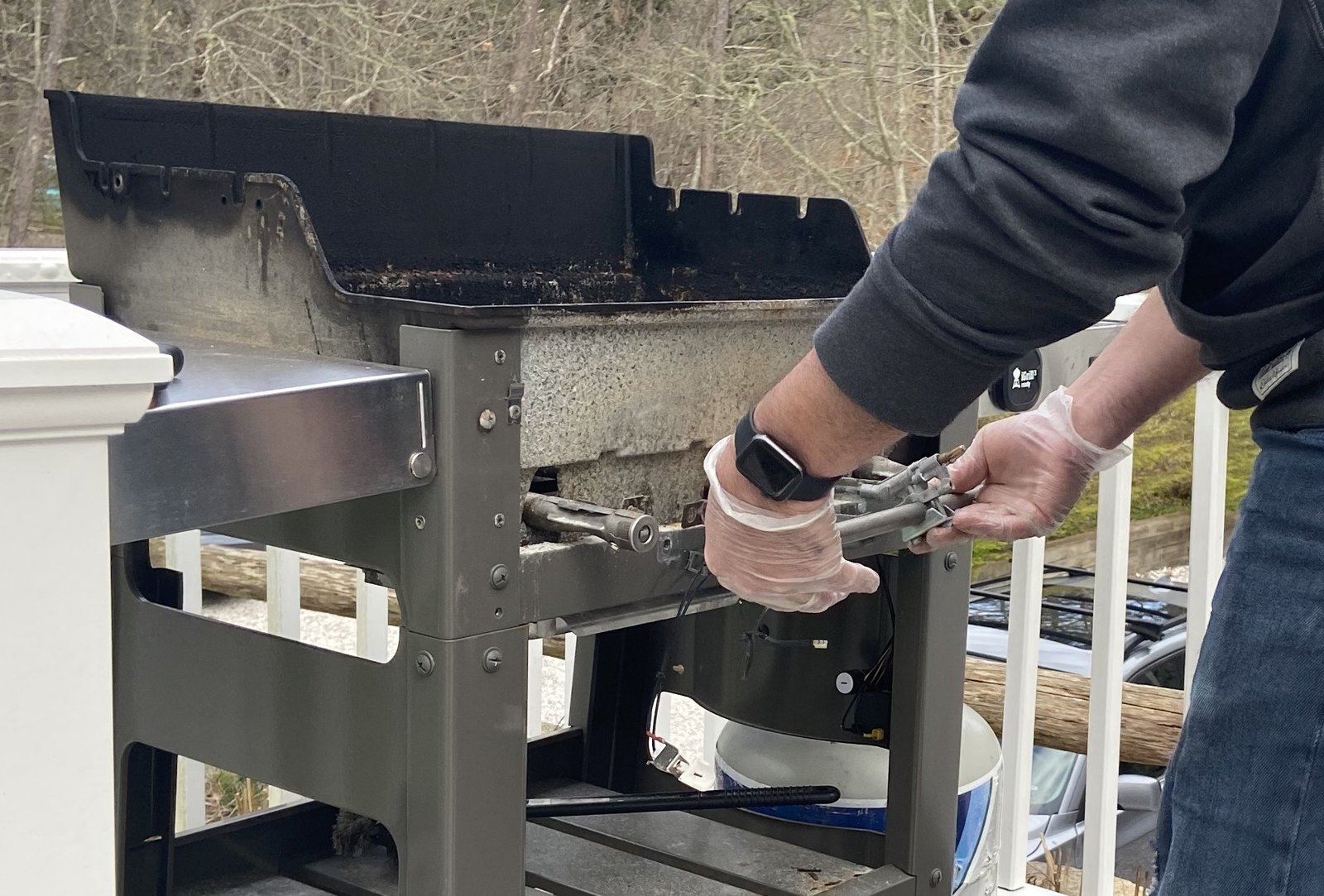
The off-season matters for more than scheduling. When a tradesperson is there in the slow months, they’re not rushing to the next job. You can hang around while they work. You chat, get to know each other. And someone who isn’t in a hurry has time to llok around, notice other things things — the fitting that’s starting to weep, the breaker that’s warmer than it should be, the expansion tank on the water heater that’s been there since the nineties. You’re not just building a relationship; you’re giving them a chance to help you before something fails with guests on the way.
The point is to become a customer, someone they know. A lot of advice out there treats tradespeople as vendors to be vetted and managed — which isn’t wrong, but isn’t complete. You need the relationship to preexist the short-notice need.
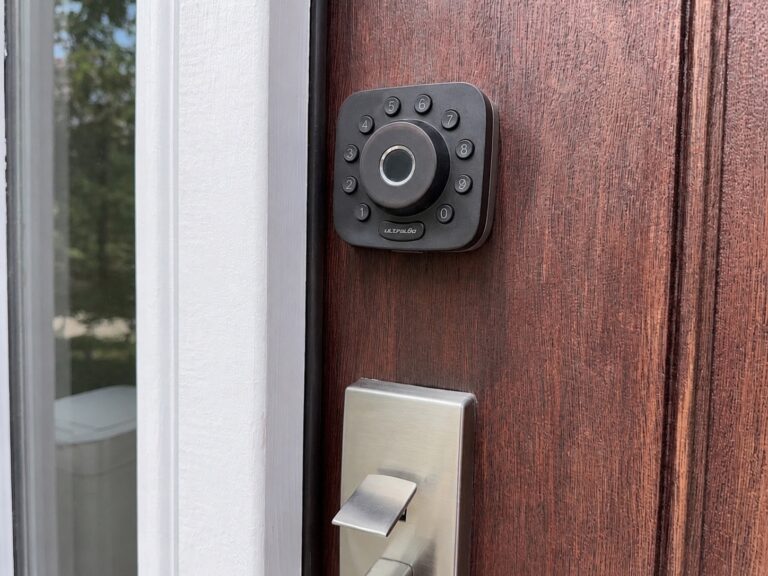
My plumber Jamie was at our Wellfleet house right before the Blizzard of ’26, draining the pipes while I was 250 miles away in New York. He came because he’s the plumber who knows me. The smart lock got him through the door — I wrote about that setup here — but the prior relationship is why he showed up at my place when he had lots of worried seasonal owners on his voicemail.
The minimum list
The trades worth having covered:
- Plumber
- Electrician
- HVAC technician
- Septic service (if you’re on septic)
- Well company (if you’re on a well)
- Appliance repair
- Handyman
- Locksmith
- Tree service (ski, lake, mountain, and most non-urban markets)
- Roofer
Add snow removal, pool or hot tub service, pest control, or chimney sweep as your property requires.
For each: a name, a number, a sense of their rates, and at least one piece of completed work on the books. Share the list with whoever covers for you. Update it once a year — people retire, businesses change, and reliable people occasionally go quiet without warning.
The handyman
The most useful person on that list is the one who can show up for almost anything and keep a situation from getting worse until the right specialist is free.
A toilet that won’t stop running. A door that won’t latch. A dryer making a noise. None of these need a licensed specialist. They need someone competent and willing. Find that person, treat them well, pay fairly. The one who feels respected shows up when it matters. You won’t regret what you spend.
A short list of names, and a few off-season jobs to get yourself onto theirs. That’s most of the operational infrastructure for a self-managed rental.
What’s the tradesperson story you’re glad you have — or the one you wish you’d built before you needed it? Other owners are reading the comments.
Matt and Marie co-own a vacation rental in Wellfleet, MA. Like their property, Rentalist is a family business.